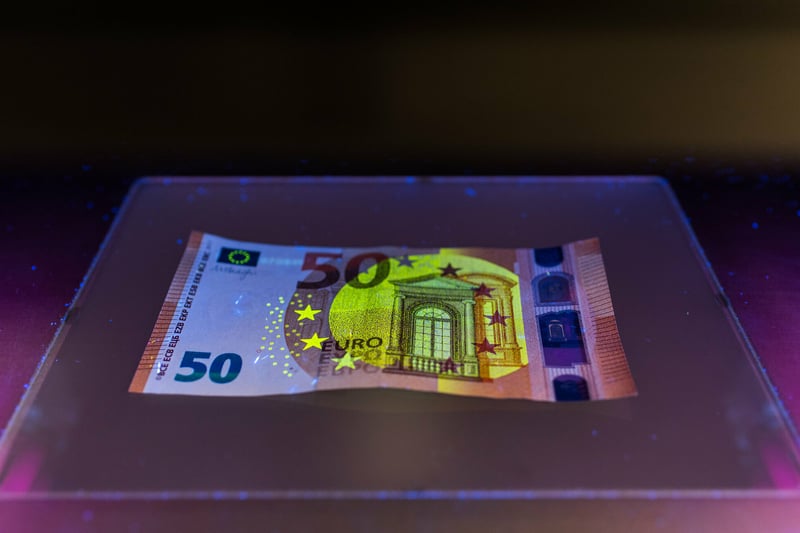
The Risks and Realities of Buying Counterfeit Money With PayPal
In the age of digital deals and online shopping, lots of users are becoming increasingly acquainted with the ins and outs of payment platforms like PayPal. While PayPal provides a protected and convenient method to send and receive money, it has also end up being a platform for illicit activities, consisting of the purchase of counterfeit money. This article checks out the implications of buying counterfeit currency utilizing PayPal, the dangers involved, and why people need to exercise care in these transactions.
Comprehending Counterfeit Money
Counterfeit money is fake currency made to look like real banknotes. It is produced with the intent to defraud people or institutions, undermining the financial system's integrity. Counterfeiting is a serious crime, and its ramifications can have significant results on the economy, police, and victims of the fraud.
Counterfeit currency can come in numerous types, consisting of:
- Paper Money: Imitations of standard banknotes.
- Digital Counterfeits: Fake currency presented in electronic format.
- Passable Counterfeits: Bills so closely developed to imitate real notes that they can be used in everyday transactions.
Individuals might be lured to purchase counterfeit money to take part in unlawful activities, but the threats far exceed the advantages.
Why Some People Consider Buying Counterfeit Money
In spite of the legal ramifications, there are numerous reasons people may consider purchasing counterfeit money:
- Financial Desperation: Some people might feel compelled to turn to illegal ways to resolve monetary challenges or financial obligations.
- Frauds or Hoaxes: Unsuspecting victims may be persuaded that they can benefit from the transaction.
- Interest or Collecting: Some may declare an interest about fake money or have an interest in collecting uncommon items, not fully understanding the legality.
The Dangers of Purchasing Counterfeit Money
- Legal Repercussions: Purchasing, having, or distributing counterfeit money is unlawful in a lot of jurisdictions. Police actively investigate counterfeit crimes, and the consequences can be severe, consisting of substantial fines and jail time.
- Rip-offs and Fraud: The online marketplace is swarming with frauds, especially for prohibited items. Individuals wanting to buy counterfeit money may find themselves targeted by fraudsters who take their money without delivering any product.
- Financial Loss: Engaging in illegal buying ultimately causes monetary losses if a fraud occurs. Users might lose their money without receiving anything in return.
- Endangerment of Financial Accounts: Engaging in prohibited transactions can lead to the suspension or closing of accounts on payment platforms like PayPal, jeopardizing one's monetary transactions and credit rating.
- Moral and Ethical Implications: Engaging in prohibited activities can cause a deterioration of personal morals and principles, affecting how people perceive themselves and how society perceives them.
How PayPal Fits Into the Counterfeit Money Equation
While PayPal is largely viewed as a safe and secure platform, it is not unsusceptible to illegal activities. The anonymity provided by online deals makes it an appealing option for those wishing to participate in illegal offers, consisting of:
- Transacting Anonymously: Some people think that utilizing PayPal can offer a layer of anonymity that shields their identity during a purchase.
- Disagreement Mechanisms: People typically think they can take advantage of PayPal's conflict resolution tools to their benefit, thinking they can easily get their money back if the transaction goes awry.
However, it is vital to keep in mind that PayPal actively keeps an eye on transactions for indications of scams and prohibited activities. If they find any suspicious behavior, they have the right to freeze accounts or reverse transactions, and users risk losing their funds.
Alternatives to Buying Counterfeit Money
If someone is dealing with monetary troubles, there are legal and constructive options to consider besides participating in illegal activities:
- Seek Financial Assistance: Local charities, churches, and neighborhood organizations might provide aid or resources for those in requirement.
- Speak with a Financial Advisor: Seeking professional guidance can assist establish a sustainable financial plan without turning to illegal ways.
- Check Out Side Gigs or Part-Time Work: Finding extra income streams can help ease financial stress.
- Work out Debts: Contacting financial institutions to work out payment strategies or reduced payments is typically more effective and legal than turning to crime.
FAQs
Is it legal to buy counterfeit money?
No, buying counterfeit money is unlawful in practically all jurisdictions. Engaging in Recommended Browsing can cause major criminal charges.
Can PayPal assist in case of fraudulent transactions for counterfeit money?
While PayPal has dispute resolution systems, individuals taking part in the purchase of counterfeit money are not likely to be protected and may face account penalties.
What should I do if I've been scammed while attempting to buy counterfeit money?
If somebody suspects they've succumbed to a scam, they should right away report the incident to PayPal, local law enforcement, and, if essential, the Federal Trade Commission in the U.S.
Are there legitimate methods to manage monetary crises?
Yes, alternatives consist of seeking local support programs, checking out temporary work, or seeking advice from monetary consultants.
What are the legal penalties for dealing in counterfeit money?
Penalties vary by jurisdiction, but they can include considerable fines, restitution, and up to numerous years of jail time.
While the allure of counterfeit money may seem tempting for some, the threats connected with purchasing counterfeit currency using PayPal, or any other platform, far surpass any viewed benefits. Legal effects, monetary hardships, and ethical predicaments present major considerations. It is crucial for individuals to acknowledge the prospective ramifications of such actions and to explore legal paths for resolving monetary obstacles instead. Overall, preventing counterfeit money transactions represents a smart and sound decision for maintaining individual integrity and monetary security.